The Evolution of the Prince of Persia Series
An exploration of the transformative journey of the Prince of Persia series, from its groundbreaking origins to its modern revival.
Share
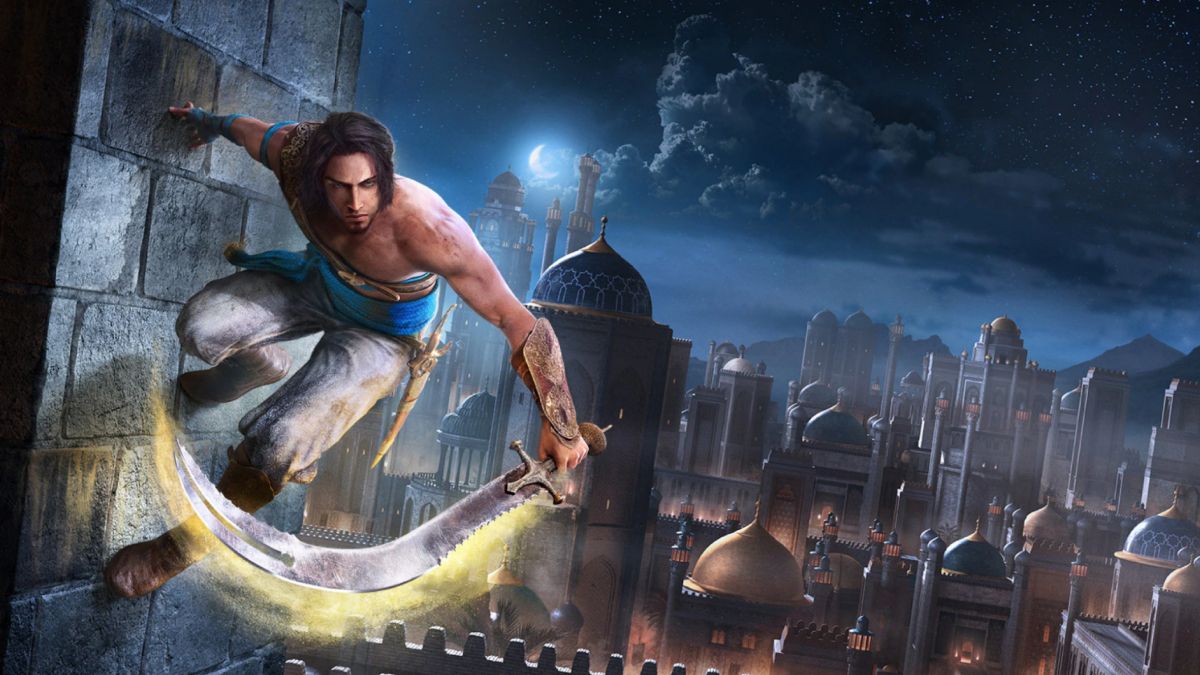
The Prince of Persia series is nothing short of legendary. Its innovative gameplay and captivating narratives have not only cultivated a devoted following but also reshaped the landscape of modern gaming. Serving as a cornerstone for Ubisoft’s blockbuster Assassin’s Creed franchise, Prince of Persia has left an indelible mark on the industry. With the series’ resurgence through Prince of Persia: The Lost Crown and an anticipated remake of the iconic Sands of Time, let’s traverse the sands of time to uncover how this franchise evolved from its 2D roots to a 3D masterpiece.
# Prince of Persia (1989)
Long before the Sands of Time trilogy captured hearts, the original Prince of Persia (1989) laid the foundation. Crafted for the Apple II, this game drew inspiration from Arabian Nights tales and classic adventure games like Raiders of the Lost Ark. The unnamed prince’s quest to thwart the sinister Grand Vizier Jaffar introduced players to fluid, rotoscoped animations—a pioneering technique. Designer Jordan Mechner meticulously studied videos of his brother’s movements to infuse the game’s characters with lifelike motion, a rarity in the era’s pixelated landscapes.
The game’s enduring legacy is remarkable. A 2007 remake expanded its reach across platforms, while dedicated fans reverse-engineered the MS-DOS version, enabling level modifications that sparked the early modding culture seen in modern titles like Marvel’s Spider-Man: Remastered and Grand Theft Auto.
# Prince of Persia 2: The Shadow and the Flame (1993)
Four years later, Prince of Persia 2: The Shadow and the Flame elevated the series to new heights. Released for Macintosh, MS-DOS, and Super NES, it welcomed a broader audience. The story follows the prince’s return to Persia to confront Jaffar, who has usurped his identity to seize the throne. Despite criticism of its save system, the sequel surpassed its predecessor with enhanced visuals and gameplay, earning the prestigious ‘Action Game of the Year’ award in 1994. Its side-scrolling format refined the series’ signature platforming, cementing its place in gaming history.
# Prince of Persia 3D (1999)
The series took a bold leap into three dimensions with Prince of Persia 3D (1999). Designed for Windows, this title immersed players in the prince’s perspective, a novel experience at the time. However, the transition to 3D was rocky—unpolished camera mechanics, clunky controls, and rough character models disappointed fans. Limited involvement from Jordan Mechner further hindered the game’s quality. Widely regarded as the series’ weakest entry, it marked the end of the original trilogy and prompted Ubisoft to acquire the franchise, setting the stage for a transformative reboot.
# Prince of Persia: The Sands of Time (2003)
Ubisoft’s 2003 reboot, Prince of Persia: The Sands of Time, redefined the series. This 3D masterpiece introduced a new prince navigating an Arabian-inspired world enriched with parkour mechanics. The innovative Dagger of Time allowed players to manipulate time, rewinding mistakes and enhancing gameplay depth. Lauded as one of the greatest video games ever, Sands of Time revitalized the franchise, blending captivating storytelling with groundbreaking mechanics that influenced countless titles.
# Prince of Persia: Warrior Within (2004)
In 2004, Warrior Within elevated the series to its zenith. Departing from Arabian aesthetics, the prince journeys to a foreboding island to escape the Dahaka, a relentless creature pursuing him for tampering with time. The game’s darker, survival-horror tone, coupled with an open-world structure, expanded parkour moves, dual-wielding combat, and non-linear storytelling, captivated players. Hidden easter eggs unlocked an alternate ending, adding replayability. Widely considered the series’ pinnacle, Warrior Within showcased Ubisoft’s mastery of the franchise.
# Prince of Persia: The Two Thrones (2005)
The trilogy concluded with The Two Thrones (2005), where the prince returns to Babylon to confront the resurrected Vizier. An accident imbues the prince with a darker alter ego, requiring players to switch between personas with unique abilities. This dynamic enriched the narrative and gameplay, earning widespread acclaim. Selling over 1.5 million copies in its first month, The Two Thrones solidified the trilogy’s legacy as a fan-favorite chapter in the series.
# Prince of Persia: The Forgotten Sands (2010)
Set between Sands of Time and Warrior Within, The Forgotten Sands (2010) follows the prince’s quest to save his brother Malik from the djinn Ratash. Powered by the advanced ‘Anvil’ engine, the game featured enhanced enemy encounters and realistic physics. Well-received, it marked the final entry in the Sands of Time continuity as Ubisoft shifted focus to the burgeoning Assassin’s Creed series.
# The Lost Crown and Beyond
After a decade of ports and remakes, Prince of Persia: The Lost Crown (2024) heralds the series’ return. Adopting a vibrant 2.5D side-scrolling style, it introduces Sargon, the first named protagonist. Available on PlayStation 4/5, Xbox One/Series X/S, Nintendo Switch, and Windows, it blends modern visuals with classic platforming. Looking ahead, Ubisoft’s planned next-gen remake of Sands of Time (2003) promises to harness modern hardware to revive the prince’s parkour, multi-weapon combat, and iconic sand-based mechanics. As fans eagerly await its release, the series’ timeless allure endures.
PSG Online
Author